Fashion Blog

Home > Fashion Blog

Fashion News

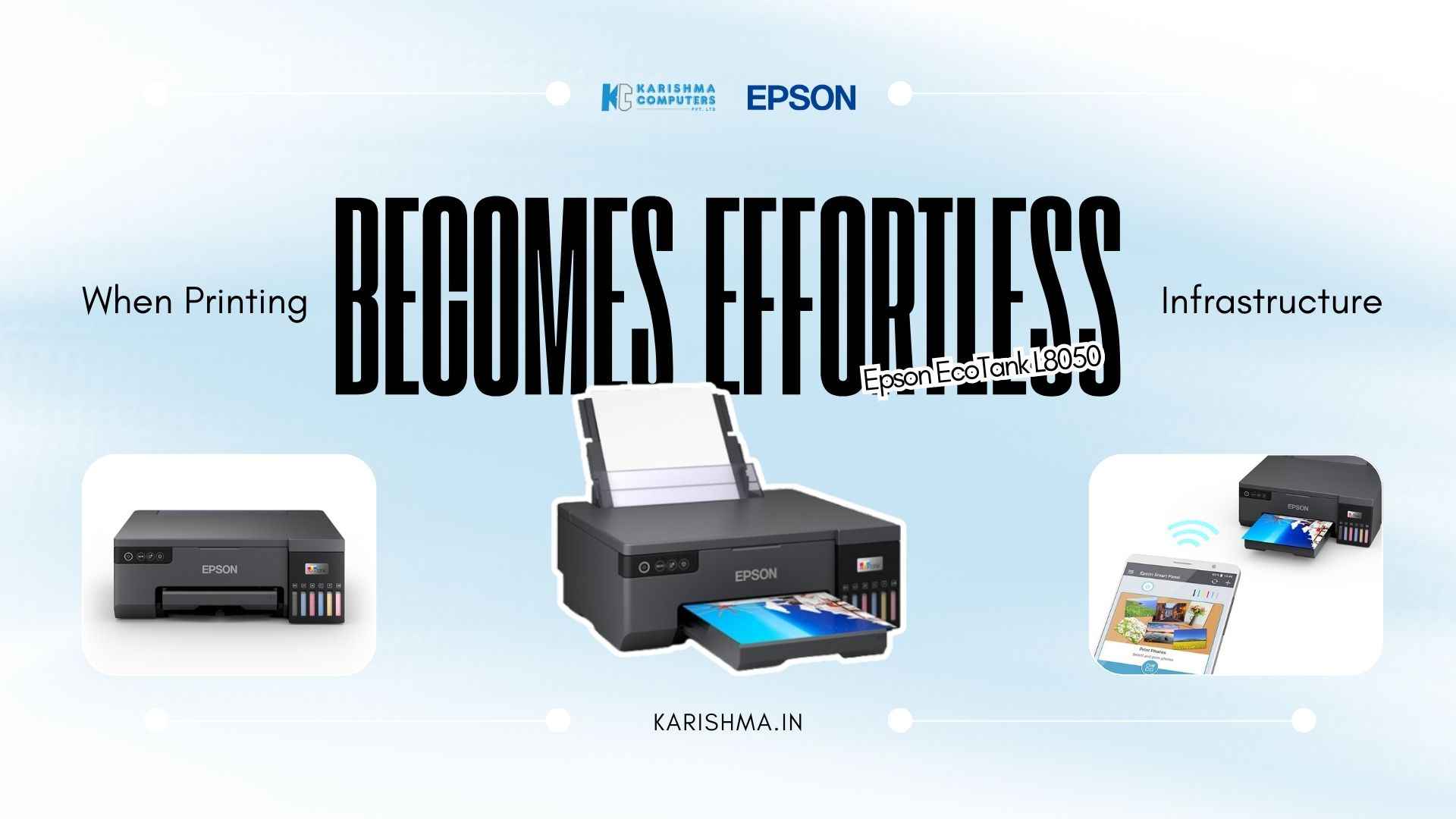
Epson EcoTank L8050 ultra-high-capacity ink tank printer for business high-volume color printing delivering 8000 pages per refill

Epson EcoTank L8050 Cuts Print Costs 90% But Demands High Volume Commitment

When Monthly Ink Budgets Meet Epson EcoTank L8050 Economics A digital marketing Epson EcoTank L8050 inquiry arrived from Sector 18, Noida last Tuesday. The agency’s finance manager carried a six-month ink expenditure report. Twelve thousand color pages monthly for client presentations, pitch decks, and campaign materials. The numbers told an uncomfortable story. Cartridge-based systems had turned printing into a recurring line item that grew faster than headcount. Three printers running simultaneously. Constant cartridge replacements. Emergency supply runs disrupting workflows. Someone tracking inventory. Someone else managing vendor relationships for consumables. The agency wasn’t unique. This pattern surfaces repeatedly across Delhi NCR’s creative and professional services sectors. Businesses scale their output, then discover their printing infrastructure can’t scale economically. The technology works, but the economics break down. What Changes at 10,000 Monthly Color Page Thresholds Certain volume levels trigger different conversations. At 2,000 monthly pages, cartridge systems remain manageable. At 5,000, questions about efficiency emerge. At 10,000 and beyond, the entire cost structure demands reconsideration. The ultra-high-capacity ink bottle solution addresses this inflection point directly. A single set delivers approximately 8,000 color pages. For organizations running 10,000-12,000 monthly pages, that translates to roughly eight months between refills. Eight months where printing becomes automatic rather than managed. Eight months without procurement cycles for consumables. Eight months of predictable costs instead of variable expenses that spike unexpectedly. But the shift goes deeper than convenience. PrecisionCore technology ensures that page 7,943 maintains the same color accuracy as page 143. Heat-free printing means no warm-up delays, no quality degradation from thermal cycling, no color shifts mid-batch when producing 500-page client presentations. That consistency matters differently at scale. A law firm in Connaught Place producing 800-page case file compilations discovered this benefit. The ability to print complete sets overnight without quality variation or intervention eliminated the reprinting buffer they had built into timelines. Deadlines became actual deadlines rather than conservative estimates accounting for print failures. The Sustainability Conversation No Longer Optional for Businesses Three years ago, environmental footprint discussions rarely surfaced in B2B purchasing decisions. That changed. Corporate procurement now faces questions about waste reduction, energy consumption, and supply chain sustainability. The relevant numbers emerge here. Compared to cartridge-based systems, ink tank technology eliminates approximately ninety percent of consumable waste. For an organization running 120,000 annual color pages, that’s roughly 450 cartridges not entering the waste stream each year. An architecture firm in Gurgaon needed this data for a client sustainability audit. Their corporate client required supply chain environmental impact reporting. Being able to document a measurable waste reduction provided an answer where previously only vague commitments existed. Heat-free printing adds another dimension. Traditional laser technology generates significant thermal energy. The alternative approach eliminates that requirement, reducing both energy consumption and cooling demands. For offices already managing HVAC loads in Delhi’s summer climate, removing another heat source matters operationally and economically. Forty years of continuous innovation in efficient printing technology provides credibility when environmental claims surface in corporate discussions. This isn’t new positioning. It’s engineering philosophy that now aligns with procurement requirements. When A3 Capability Becomes Non-Negotiable for Operations The A3 size handling addresses specific organizational requirements. For some businesses, that specification alone drives the decision. A market research firm in Nehru Place produces client reports with full-page infographics and multi-panel layouts. Their previous A4-only setup meant either compromising design or outsourcing larger format printing. Both options created friction. Design compromises weakened presentations. Outsourcing added cost, complexity, and timeline uncertainty. Internal A3 capability eliminated those constraints. Report designs could expand to match data visualization needs. Client deliverables improved aesthetically and functionally. The change wasn’t revolutionary, but it removed a persistent limitation. Educational institutions face similar requirements. A coaching center in Karkardooma printing 15,000 monthly pages of study materials, practice tests, and visual aids needed consistent A3 output for charts and diagrams. The ability to handle varied page sizes within a single device simplified their production workflow considerably. The Question That Surfaces Repeatedly About Capacity Planning “Isn’t this overcapacity for current needs?” Perhaps. But scaling patterns reveal something important. Organizations rarely scale smoothly. Growth happens in jumps. Landing a major client. Expanding service offerings. Opening a second location. Seasonal volume spikes. An event management company experienced this reality. Their base load ran 8,000 monthly pages. During wedding season (October through February), volume spiked to 22,000 pages monthly. Their previous setup required adding temporary printers, coordinating multiple devices, managing varying quality outputs. The high-capacity solution absorbed those spikes without configuration changes or additional equipment. The same device that handled base load managed peak demand. That operational simplicity during their busiest, most stressful period proved more valuable than the cost differential suggested. What Reliability Actually Means at Enterprise Scale Printer reliability becomes a different consideration at higher volumes. A single failure doesn’t just delay one document. It blocks an entire production queue. A financial services firm in Saket runs compliance reports, client statements, and regulatory filings on strict deadlines. Their previous system averaged one significant failure quarterly. Each incident triggered crisis management, expedited external printing, deadline extension requests, and team stress. Six months after deployment, zero operational disruptions. The difference wasn’t just technical reliability. It was psychological. The team stopped building contingency plans around potential printer failures. That mental overhead disappeared. Enterprise-grade build quality targets this use case specifically. The engineering isn’t designed for occasional home printing. It’s built for sustained daily operation under business conditions. That engineering difference manifests in uptime, consistency, and operational predictability. The Total Cost Question Deserves Detailed Analysis Initial investment exceeds budget printer pricing significantly. That reality stops some procurement processes immediately. Others look deeper. A detailed cost analysis across 18 months reveals different mathematics. The digital marketing agency that opened this discussion ran the numbers. Their previous cartridge-based approach: three devices, recurring consumable costs averaging 18,000 rupees monthly, maintenance contracts, replacement equipment budgets. The alternative path: single device, ink refills approximately every eight months at 6,500 rupees per set, minimal maintenance requirements, no planned replacement within the analysis period. Eighteen months out, the
Read More »
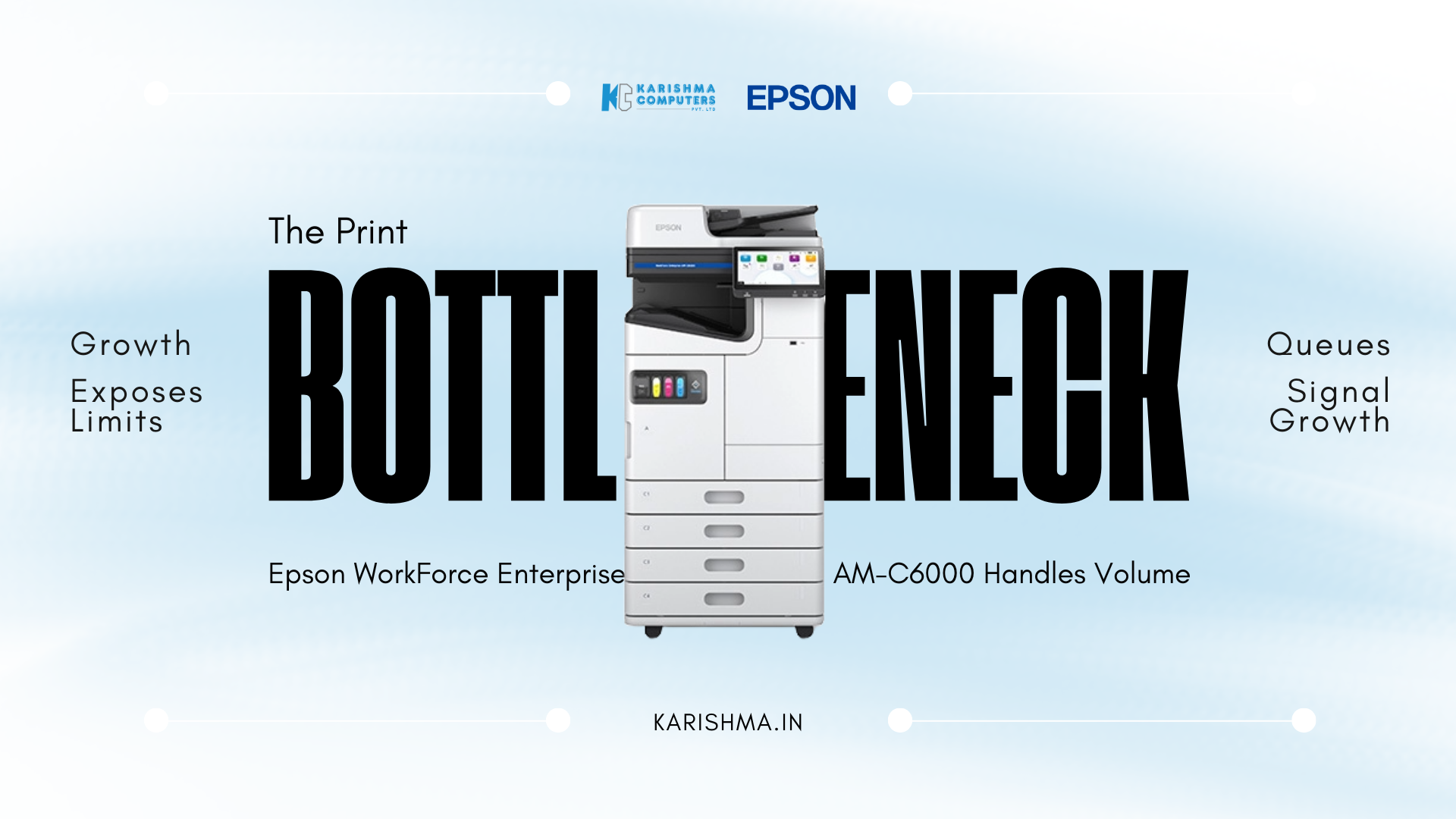
Epson WorkForce Enterprise AM-C6000 enterprise printer 60 ppm in Delhi NCR corporate office

Why Enterprise Printer 60 PPM Speed Matters More Than You Think

When Print Volume Demands Enterprise Printer 60 PPM Performance As Baseline A law firm recently needed enterprise printer 60 ppm capability without realizing it. Forty-five attorneys, three floors, constant document preparation. Court filings, contracts, case briefs. The morning queue at their existing printer setup had become longer than the lunch line downstairs. That conversation led to understanding what commercial-grade printing actually means when businesses hit serious operational scale. The Threshold Nobody Discusses Most organizations don’t realize they’ve crossed a threshold until they’re well past it. The signs emerge gradually. Someone mentions the printer is “busy again.” Teams start timing their print jobs to avoid peak hours. An unofficial system develops about which printer handles what. Then comes the moment when printing speed directly impacts billable hours or client deliverables. That’s when the conversation shifts from desktop devices to commercial equipment. The Epson WorkForce Enterprise AM-C6000 operates at a baseline most businesses don’t initially think they need: 60 pages per minute for both color and black-and-white output. That specification sounds excessive until considering what happens during typical mornings at growing enterprises across Delhi NCR. What Actually Happens At Volume Scale A pharmaceutical distributor in Okhla manages inventory across twelve states. Every order requires documentation, compliance paperwork, shipping labels. During peak season, their print volume hits 45,000 pages monthly. At standard speeds, that workload creates bottlenecks. Staff waiting for documents. Delayed shipments. Workflow interruptions cascading through operations. The AM-C6000’s enterprise printer 60 ppm speed addresses this differently than just “printing faster.” At this velocity, a 100-page document completes in under two minutes. A 500-page batch finishes during a coffee break. The psychological shift matters as much as time savings printing stops being something teams plan around. PrecisionCore Heat-Free Technology Performance Epson’s PrecisionCore Heat-Free Technology powers the AM-C6000, and the “heat-free” aspect carries weight beyond energy efficiency. Traditional high-volume printers use heat to fuse toner, creating maintenance requirements and quality variations as components age. Heat-free printing eliminates those failure points. No fuser assembly means fewer service calls. No heat-related degradation means print quality remains consistent through year-end rushes and regular operations alike. For that law firm, this translated directly: every contract, every court filing, every client document looks identical to the first page of the first print job six months later. That consistency matters when reputation rides on professional presentation. Speed without consistency creates different problems. The enterprise printer 60 ppm specification only delivers value when quality holds across millions of pages. The Connectivity Question Enterprise printing in 2024 demands more than USB connections. Teams work from multiple locations, remote employees need access, mobile printing has become standard rather than luxury. The AM-C6000 offers connectivity through USB, Ethernet, Wi-Fi, Wi-Fi Direct, and NFC. That range addresses the reality of hybrid work environments where some staff work from Noida offices while others operate from Gurgaon client sites. Auto duplex printing happens automatically without manual intervention. For double-sided contracts, reports, or presentations, the system handles it without slowing workflow or requiring user decisions. Real Cost Analysis Beyond Purchase Price A financial services firm in Connaught Place analyzed their total printing costs before and after switching to commercial equipment. The calculation included obvious factors toner costs, paper usage, energy consumption but also hidden elements: staff time managing print jobs, service call frequency, quality-related reprints. Six months in, their per-page cost had decreased by 34%. More significantly, their office manager reported zero printer-related complaints. Silence represented perfect success. enterprise printer 60 ppm capability carries enterprise pricing. The initial investment prompts legitimate questions about return and necessity. Breaking down actual operational costs reveals the calculation. Durability Under Operational Pressure High-volume equipment faces demands that standard office printers never encounter. Monthly cycles that would overwhelm consumer devices. Constant operation during business hours. Diverse paper types from standard sheets to heavyweight stock. The AM-C6000’s enterprise-grade construction addresses these realities. Components rated for millions of pages. Heavy-duty paper paths designed for continuous operation. Built-in redundancy for critical systems. That pharmaceutical distributor in Okhla? Their peak season spike to 60,000 pages monthly didn’t generate a single service call or quality issue. The equipment handled the surge without adjustment or intervention. Environmental Considerations That Actually Matter Sustainability discussions in corporate environments have evolved beyond greenwashing. Clients ask questions. Audits examine practices. Procurement departments weigh environmental impact. Heat-free technology inherently consumes less energy than heat-based printing systems. The AM-C6000’s reduced power requirements translate to measurable savings on utility bills while also providing legitimate sustainability metrics. When RFPs include environmental criteria, having concrete data about energy efficiency and waste reduction carries actual value. Epson’s 40-year commitment to sustainable innovation provides context that resonates during those conversations. When The Numbers Align Enterprise-level printing equipment makes sense at specific thresholds. The AM-C6000 hits its sweet spot for organizations printing 20,000+ pages monthly with serious demands for speed, consistency, and reliability. Below that volume, the capability exceeds requirements. Above that volume, the equipment performs without strain. For growing businesses across Delhi NCR’s dynamic market, hitting that threshold often happens faster than expected. The challenge becomes recognizing the moment when standard printing infrastructure has become the bottleneck rather than the solution. The Pattern Across Business Sectors Legal firms, pharmaceutical distributors, financial services companies, manufacturing operations—the common thread isn’t industry but scale and consistency requirements. When document quality directly impacts business relationships, when printing delays affect operations, when staff time managing printers becomes measurable, that’s the signal. Commercial equipment addresses those specific challenges through speed, reliability, and consistent output quality backed by proven technology leadership. For organizations reaching that scale, reliability becomes precisely what operations demand. The enterprise printer 60 ppm specification transforms from “impressive feature” to “operational requirement.” Deployment Considerations Implementation matters as much as equipment selection. The AM-C6000 requires adequate physical space, proper electrical infrastructure, network integration planning. These aren’t obstacles—they’re planning considerations. IT teams report deployment typically takes one afternoon including network configuration, driver installation across devices, and user access setup. The enterprise-grade connectivity options simplify what could otherwise become complicated integration projects. Support Infrastructure Requirements

Read More »
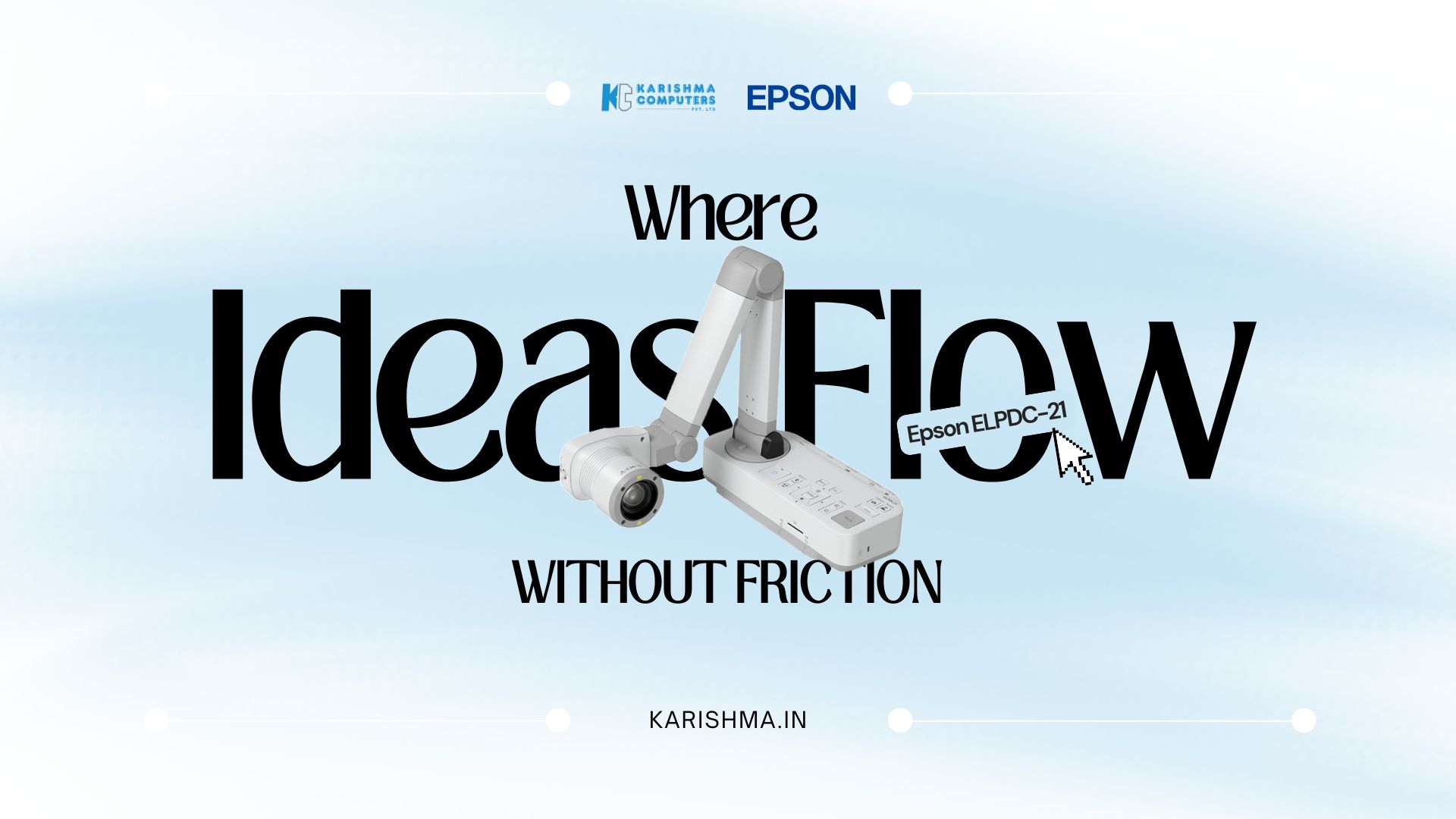
Epson ELPDC-21 document camera displaying architectural sketches during business presentation in Delhi NCR office

When Physical Documents Still Matter in Digital Presentations

The Presentation Gap Nobody Discusses Three weeks ago, an architecture firm in Sector 18 faced an unusual problem. Their senior partner, renowned for hand-sketching concepts during client pitches, found himself photographing each sketch with his phone, transferring files to his laptop, then projecting them. The disconnect was obvious. The spontaneity that made his presentations compelling had evaporated. This scenario plays out differently across Delhi NCR’s business landscape. A manufacturing unit in Faridabad needs to show quality control samples during remote audits. A coaching institute in Laxmi Nagar wants to demonstrate problem-solving on paper in real-time. An importing firm in Nehru Place must display original customs documents during compliance reviews. The assumption runs deep: everything worth showing must first be digitized. But that assumption creates its own friction. What Gets Lost in Translation Digital transformation solved many presentation challenges. But it also created a gap that most organizations don’t realize exists until it becomes expensive. When physical materials matter original documents, 3D product samples, handwritten annotations, textured materials the workflow breaks. Scan, save, import, display. Each step adds time. Each transfer risks quality loss. Each pause disrupts the presentation flow. A textile exporter in Noida recently quantified this gap. Their sample display process for international buyers involved photographing fabric swatches, color-correcting images, creating presentation slides, then hoping the colors translated accurately through screens. The process took hours. Buyers still requested physical samples because digital images couldn’t convey texture and true color. That’s where the disconnect becomes clear. Not everything translates well through indirect digital capture. The Direct Capture Solution The Epson ELPDC-21 addresses this specific challenge through direct visual capture and display. Place a document, sketch, or object under the camera. It appears instantly on screen or projector. No intermediate steps. No file transfers. No quality loss through compression. Epson’s imaging precision, developed through 40 years of visual technology innovation, shows in the details. Text remains sharp at high magnification levels. Colors reproduce accurately. Three-dimensional objects display with depth perception intact. The 16x zoom capability means fine details become visible without physical handling. For that architecture firm, this meant returning to what worked. Sketch during the meeting. Display it instantly. Modify based on client feedback. No workflow disruption. The senior partner’s presentation style became effective again. Beyond Simple Document Display The applications extend beyond obvious document projection. Science coaching institutes demonstrate dissections and specimens without crowding students around a single table. Quality control teams inspect circuit boards or mechanical components with remote stakeholders watching in real-time. Legal firms display original signatures and seals during verification processes. A chartered accountancy training center in Dwarka discovered an unexpected benefit. Their faculty could annotate printed tax forms in real-time during lectures, showing exactly where specific information belongs. Students following along with their own blank forms saw precisely what needed attention. The learning outcome improved measurably. The ELPDC-21’s flexible arm design matters more than initial appearances suggest. Positioning objects at different angles reveals aspects that overhead capture misses. Showing a product’s side profile, demonstrating how components fit together, displaying embossed or textured elements—these require positional flexibility. Integration Without Disruption Most presentation spaces already have projectors or large displays. The ELPDC-21 connects through standard HDMI and USB interfaces. No specialized equipment needed. No software installation required. Compatibility with existing infrastructure means adoption happens quickly. A corporate training facility in Gurgaon integrated document cameras into their twelve training rooms within a week. Trainers adapted immediately. The technology became invisible—which is exactly how effective presentation tools should function. The built-in LED lighting eliminates shadows and ensures consistent illumination regardless of room lighting. This seemingly minor feature prevents the common problem of overhead room lights creating shadows that obscure details during capture. When Physical and Digital Converge The broader shift happening across industries involves recognizing that physical and digital workflows coexist. The goal isn’t eliminating physical materials. It’s bridging them with digital presentation capabilities seamlessly. Patent offices need to display technical drawings. Medical training requires showing actual X-ray films alongside digital images. Jewelry designers present hand-drawn concepts before CAD modeling. Art restoration experts document physical damage. Each scenario involves physical items that must be shared visually without compromising fidelity. The ELPDC-21 serves as that bridge. Physical materials gain digital presentation capabilities while retaining their original form and quality. No scanning queue. No photography setup. No image editing workflow. The Reliability Factor Epson’s build quality and reliability heritage matters when equipment becomes integral to daily operations. Presentation failures during client meetings or training sessions carry costs immediate and reputational. Organizations operating the ELPDC-21 in regular use report consistent performance. No calibration drift. No color shift over time. No mechanical failures in the positioning arm. This reliability stems from Epson’s precision manufacturing standards developed across decades of imaging technology production. A coaching institute running three-hour daily sessions six days weekly has operated the same unit for eighteen months without issues. That reliability translates to predictable operations and eliminated backup planning. The Practical Reality Not every organization needs document camera capability. But for those regularly working with physical materials during presentations or remote collaborations, the gap between digital workflow and physical reality creates measurable inefficiency. The calculation becomes straightforward. How often do physical documents, samples, or handwritten materials need displaying? How much time currently goes into working around this need? What’s the cost of presentation disruptions or quality loss? When those numbers align with regular occurrence, the ELPDC-21 represents the solution to a specific, quantifiable challenge. It doesn’t revolutionize presentations. It simply removes friction from a particular type of presentation scenario that happens frequently enough to matter. For the architecture firm, that meant returning to effective client engagement. For the textile exporter, accurate color presentation without multiple sample shipments. For the training center, improved learning outcomes through better demonstration visibility. Sometimes the right tool isn’t about adding new capabilities. It’s about restoring capabilities that got lost when everything went digital. FAQs

Read More »

Business Projector Reliability: Epson EB-530 Review Delhi NCR

The sales director arrived fifteen minutes early. Laptop ready, presentation polished, client already in the building. Then came the familiar nightmare: projector won’t connect. Five minutes of cable switching. Ten minutes of “let me try this adapter.” Fifteen minutes of watching a ₹2 crore opportunity slip away while fumbling with display settings. A medical device manufacturer in Okhla faced this scenario three times in two months. Different visiting clients, same technical failure pattern, mounting damage to professional credibility. The breaking point came during a healthcare procurement committee presentation when twenty minutes disappeared into troubleshooting instead of demonstrating product capabilities. What Actually Costs More Than Equipment Most organizations calculate projector costs wrong. The purchase price, maintenance contracts, lamp replacements—those numbers get tracked. What doesn’t get measured: the productivity drain, the meeting delays, the client impressions during technical failures. That Okhla manufacturer ran the actual numbers. Twelve monthly presentations to potential clients. Average thirty people per session. Typical technical delay: twelve minutes. Calculation: 360 person-hours annually wasted on projector troubleshooting. At their average employee cost, roughly ₹4.8 lakhs in lost productivity, not counting the immeasurable damage when clients witness technical incompetence. The pattern appears across sectors. A Gurgaon consulting firm tracks presentation start times versus scheduled times. Average delay: eight minutes. A Noida IT services company counts adapter purchases: fourteen different types trying to achieve reliable connectivity. An architectural practice in Dwarka maintains a “backup projector” permanently, admitting their primary system fails during critical client reviews. Technical failure during presentations doesn’t just delay meetings. It broadcasts a message: this organization can’t manage basic technology. How will they handle complex project delivery? The Connectivity Challenge Nobody Discusses Modern presentation environments involve impossible complexity. Windows laptops, MacBooks, iPads, Android devices. HDMI, USB-C, DisplayPort, wireless protocols. Each combination creating potential failure points. Add varying operating system versions, security settings, and network configurations. The variables multiply. Traditional projectors handle these variables poorly. They require specific adapter combinations, particular connection sequences, precise settings adjustments. What works Monday fails Wednesday when someone upgrades their laptop. Conference rooms become technical minefields where presentations depend more on IT troubleshooting skills than actual content quality. The EB-530’s approach differs fundamentally. Multi-PC projection allows up to four devices connecting simultaneously through the network. No physical cables. No adapter gymnastics. Presenters join from their seats, switch between speakers seamlessly, collaborate on shared displays without technical interruption. This matters practically. During that healthcare procurement committee presentation, three different speakers needed to present from separate devices. Traditional setup: fifteen minutes switching cables and reconnecting. EB-530 approach: immediate transitions, zero technical friction. What Epson’s Forty Years Built Epson’s projection technology heritage spans four decades of solving real presentation challenges. The EB-530 reflects accumulated knowledge about what actually breaks reliability in professional environments. The 3LCD technology delivers 3,200 lumens brightness with consistent color reproduction. This translates practically: presentations remain clearly visible in standard office lighting. No dimming rooms, no closing blinds, no interrupting workflow to accommodate technical limitations. Meetings happen in normal work environments. WXGA resolution (1280 x 800) handles standard business content—spreadsheets, reports, product images—with sufficient clarity for boardroom-sized displays. Not unnecessarily over-specified for typical corporate presentations, but adequate for professional requirements. The lamp system offers 12,000 hours in eco mode. Real-world impact: roughly eight years of typical business usage before replacement becomes necessary. Maintenance intervals extend from quarterly to nearly decade-long cycles. That Okhla manufacturer’s previous projector required three lamp replacements in four years. The EB-530 eliminated that recurring cost and disruption pattern entirely. The Sustainability Angle That Actually Matters Corporate sustainability reporting increasingly scrutinizes equipment choices. Procurement committees ask about environmental impact. Clients request information about operational footprints. Epson’s heat-efficient 3LCD technology consumes considerably less power than competing projection approaches. The extended lamp life reduces electronic waste. These aren’t marketing claims; they’re measurable differences that appear in sustainability audits and corporate responsibility reports. For that medical device manufacturer, this became unexpectedly relevant. Their largest potential client, a hospital chain, required environmental impact documentation from all suppliers. Being able to demonstrate lower-energy presentation equipment supported their broader sustainability positioning. Small detail, but details accumulate in competitive procurement processes. When Reliability Becomes Competitive Advantage Six months after installation, the pattern shifted completely. Presentations start on scheduled time. Speakers transition smoothly between devices. Technical failures disappeared from meeting agendas. The sales director’s observation: “Nobody notices the projector anymore. That’s exactly right.” The architectural firm in Dwarka reported similar evolution. Their “backup projector” sits unused now. Client meetings proceed without technical preambles or equipment apologies. The difference shows in revised client feedback forms where “professional presentation delivery” scores increased measurably. This represents the Epson standard: technology that doesn’t demand attention because it consistently performs exactly as expected. Not revolutionary features. Not flashy capabilities. Just reliable execution, meeting after meeting, month after month. The Question That Guides Decisions Organizations reaching presentation volume where reliability becomes critical face a calculation. Continuing with unpredictable systems creates ongoing productivity drain, professional credibility risk, and measurable opportunity cost. Investing in proven reliability eliminates those accumulated costs and establishes dependable operational foundation. The EB-530 addresses this calculation directly. Network connectivity that actually works across device types. Sufficient brightness for real office environments. Maintenance intervals measured in years, not months. Forty years of Epson’s projection innovation delivering consistent professional performance. For businesses in Delhi NCR where presentations influence client decisions, procurement outcomes, and partnership formations, presentation reliability isn’t minor technical detail. It’s operational necessity that directly impacts business results. Sometimes the solution isn’t about spectacular features. It’s about technology that works predictably, eliminates technical friction, and allows professionals to focus on actual content instead of connectivity troubleshooting. When presentations matter, reliability matters. The EB-530 delivers that reliability without complexity or compromise. FAQs

Read More »
error: Content is protected !!