
When Physical Documents Still Matter in Digital Presentations
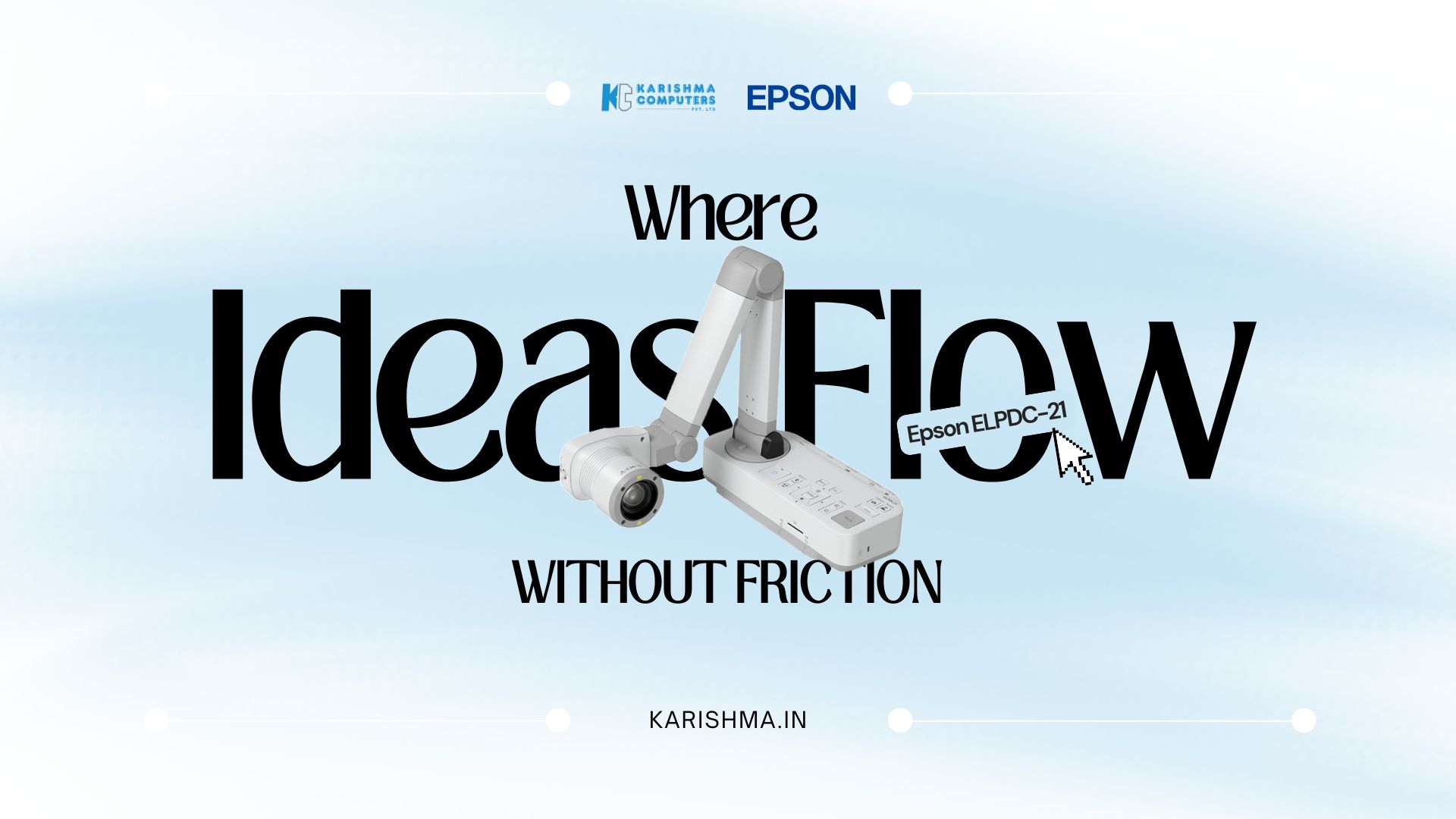
The Presentation Gap Nobody Discusses Three weeks ago, an architecture firm in Sector 18 faced an unusual problem. Their senior partner, renowned for hand-sketching concepts during client pitches, found himself photographing each sketch with his phone, transferring files to his laptop, then projecting them. The disconnect was obvious. The spontaneity that made his presentations compelling had evaporated. This scenario plays out differently across Delhi NCR’s business landscape. A manufacturing unit in Faridabad needs to show quality control samples during remote audits. A coaching institute in Laxmi Nagar wants to demonstrate problem-solving on paper in real-time. An importing firm in Nehru Place must display original customs documents during compliance reviews. The assumption runs deep: everything worth showing must first be digitized. But that assumption creates its own friction. What Gets Lost in Translation Digital transformation solved many presentation challenges. But it also created a gap that most organizations don’t realize exists until it becomes expensive. When physical materials matter original documents, 3D product samples, handwritten annotations, textured materials the workflow breaks. Scan, save, import, display. Each step adds time. Each transfer risks quality loss. Each pause disrupts the presentation flow. A textile exporter in Noida recently quantified this gap. Their sample display process for international buyers involved photographing fabric swatches, color-correcting images, creating presentation slides, then hoping the colors translated accurately through screens. The process took hours. Buyers still requested physical samples because digital images couldn’t convey texture and true color. That’s where the disconnect becomes clear. Not everything translates well through indirect digital capture. The Direct Capture Solution The Epson ELPDC-21 addresses this specific challenge through direct visual capture and display. Place a document, sketch, or object under the camera. It appears instantly on screen or projector. No intermediate steps. No file transfers. No quality loss through compression. Epson’s imaging precision, developed through 40 years of visual technology innovation, shows in the details. Text remains sharp at high magnification levels. Colors reproduce accurately. Three-dimensional objects display with depth perception intact. The 16x zoom capability means fine details become visible without physical handling. For that architecture firm, this meant returning to what worked. Sketch during the meeting. Display it instantly. Modify based on client feedback. No workflow disruption. The senior partner’s presentation style became effective again. Beyond Simple Document Display The applications extend beyond obvious document projection. Science coaching institutes demonstrate dissections and specimens without crowding students around a single table. Quality control teams inspect circuit boards or mechanical components with remote stakeholders watching in real-time. Legal firms display original signatures and seals during verification processes. A chartered accountancy training center in Dwarka discovered an unexpected benefit. Their faculty could annotate printed tax forms in real-time during lectures, showing exactly where specific information belongs. Students following along with their own blank forms saw precisely what needed attention. The learning outcome improved measurably. The ELPDC-21’s flexible arm design matters more than initial appearances suggest. Positioning objects at different angles reveals aspects that overhead capture misses. Showing a product’s side profile, demonstrating how components fit together, displaying embossed or textured elements—these require positional flexibility. Integration Without Disruption Most presentation spaces already have projectors or large displays. The ELPDC-21 connects through standard HDMI and USB interfaces. No specialized equipment needed. No software installation required. Compatibility with existing infrastructure means adoption happens quickly. A corporate training facility in Gurgaon integrated document cameras into their twelve training rooms within a week. Trainers adapted immediately. The technology became invisible—which is exactly how effective presentation tools should function. The built-in LED lighting eliminates shadows and ensures consistent illumination regardless of room lighting. This seemingly minor feature prevents the common problem of overhead room lights creating shadows that obscure details during capture. When Physical and Digital Converge The broader shift happening across industries involves recognizing that physical and digital workflows coexist. The goal isn’t eliminating physical materials. It’s bridging them with digital presentation capabilities seamlessly. Patent offices need to display technical drawings. Medical training requires showing actual X-ray films alongside digital images. Jewelry designers present hand-drawn concepts before CAD modeling. Art restoration experts document physical damage. Each scenario involves physical items that must be shared visually without compromising fidelity. The ELPDC-21 serves as that bridge. Physical materials gain digital presentation capabilities while retaining their original form and quality. No scanning queue. No photography setup. No image editing workflow. The Reliability Factor Epson’s build quality and reliability heritage matters when equipment becomes integral to daily operations. Presentation failures during client meetings or training sessions carry costs immediate and reputational. Organizations operating the ELPDC-21 in regular use report consistent performance. No calibration drift. No color shift over time. No mechanical failures in the positioning arm. This reliability stems from Epson’s precision manufacturing standards developed across decades of imaging technology production. A coaching institute running three-hour daily sessions six days weekly has operated the same unit for eighteen months without issues. That reliability translates to predictable operations and eliminated backup planning. The Practical Reality Not every organization needs document camera capability. But for those regularly working with physical materials during presentations or remote collaborations, the gap between digital workflow and physical reality creates measurable inefficiency. The calculation becomes straightforward. How often do physical documents, samples, or handwritten materials need displaying? How much time currently goes into working around this need? What’s the cost of presentation disruptions or quality loss? When those numbers align with regular occurrence, the ELPDC-21 represents the solution to a specific, quantifiable challenge. It doesn’t revolutionize presentations. It simply removes friction from a particular type of presentation scenario that happens frequently enough to matter. For the architecture firm, that meant returning to effective client engagement. For the textile exporter, accurate color presentation without multiple sample shipments. For the training center, improved learning outcomes through better demonstration visibility. Sometimes the right tool isn’t about adding new capabilities. It’s about restoring capabilities that got lost when everything went digital. FAQs